CULTURE FOR CLIMATE: CHN BIRTHDAY MONTH
From Local Action to COP31
Background
Climate change is profoundly affecting people and the planet. We are witnessing long-lasting and irreversible effects. However, climate policy still has a culture-sized hole. Cultural heritage strengthens resilience, and the arts shape how people imagine possible futures, yet culture remains marginal in most national climate frameworks. CHN's Theory of Change (ToC) treats this as a structural problem, rooted in historical and socioeconomic forces like colonialism and globalism that have spread ‘petrocultures’ and ‘carbonscapes’ across the earth. The heritage of the Anthropocene. This is why the same ToC states that a culture-based climate response needs to address both the causes and the elements of culture that can help solve the climate crisis.
2026 is a hinge year for closing that gap. At COP30 in Belem, the culture and heritage sector achieved a longawaited milestone: heritage indicators were folded into the Global Goal on Adaptation under Target 9(g), giving culture a formal entry point into adaptation policy and adaptation finance for the first time. The final Mutirao outcome text, however, still omitted any direct reference to culture.
Whether that push advances at COP31 depends partly on whether the sector can show, concretely and publicly, that it is organized, active and able to mobilize resources.
About the initiative
The Climate Heritage Network envisions a world in which arts, culture and heritage are fully mobilized alongside other sectors to address the climate crisis.
To mark CHN’s birthday on 24 October, we launched Culture for Climate: CHN Birthday Month – From Local Action to COP31, grounded in the belief that meaningful climate action begins in places, communities and everyday cultural life. Local events are themselves acts of climate action. Through exhibitions, performances, workshops, and other creative formats, CHN members can make climate change relevant to their communities. These activities will raise awareness, create spaces for dialogue, strengthen local participation, and demonstrate how cultural knowledge, practices, and creativity can help people imagine and build more just, resilient, and low-carbon futures.
Initiatives across the world
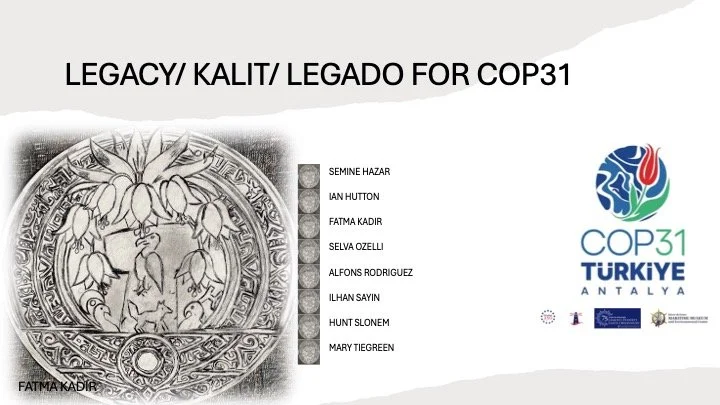
Legacy for COP31
10.10.2026 | Online
“From Göbeklitepe to the Global Net Zero Emissions Goal” the theme of COP31explicitly connects archaeology, heritage conservation, and historic preservation directly to modern global decarbonization and climate adaptation to position COP31 as a literal and symbolic "bridge between civilizations, cultures, and eras.” Eight award winning artists from four different countries: Turkiye, Australia, Spain, USA who have been collaborating in art shows for the COPs since COP26, bring three environmental exhibitions to COP31 that compliment the conference's core narrative of sustainable culture “Zero Waste”, Climate Adaptation and Heritage. Statue of Liberty by Hunt Slonem & Selva Ozelli for National Lighthouse Museum Flags of Science by Selva Ozelli for Lamont-Doherty Earth Observatory of Columbia University America at 250 by Semine Hazar, Ian Hutton, Fatma Kadir, Selva Ozelli, Alfons Rodriguez, Ilhan Sayin, Mary Tiegreen.
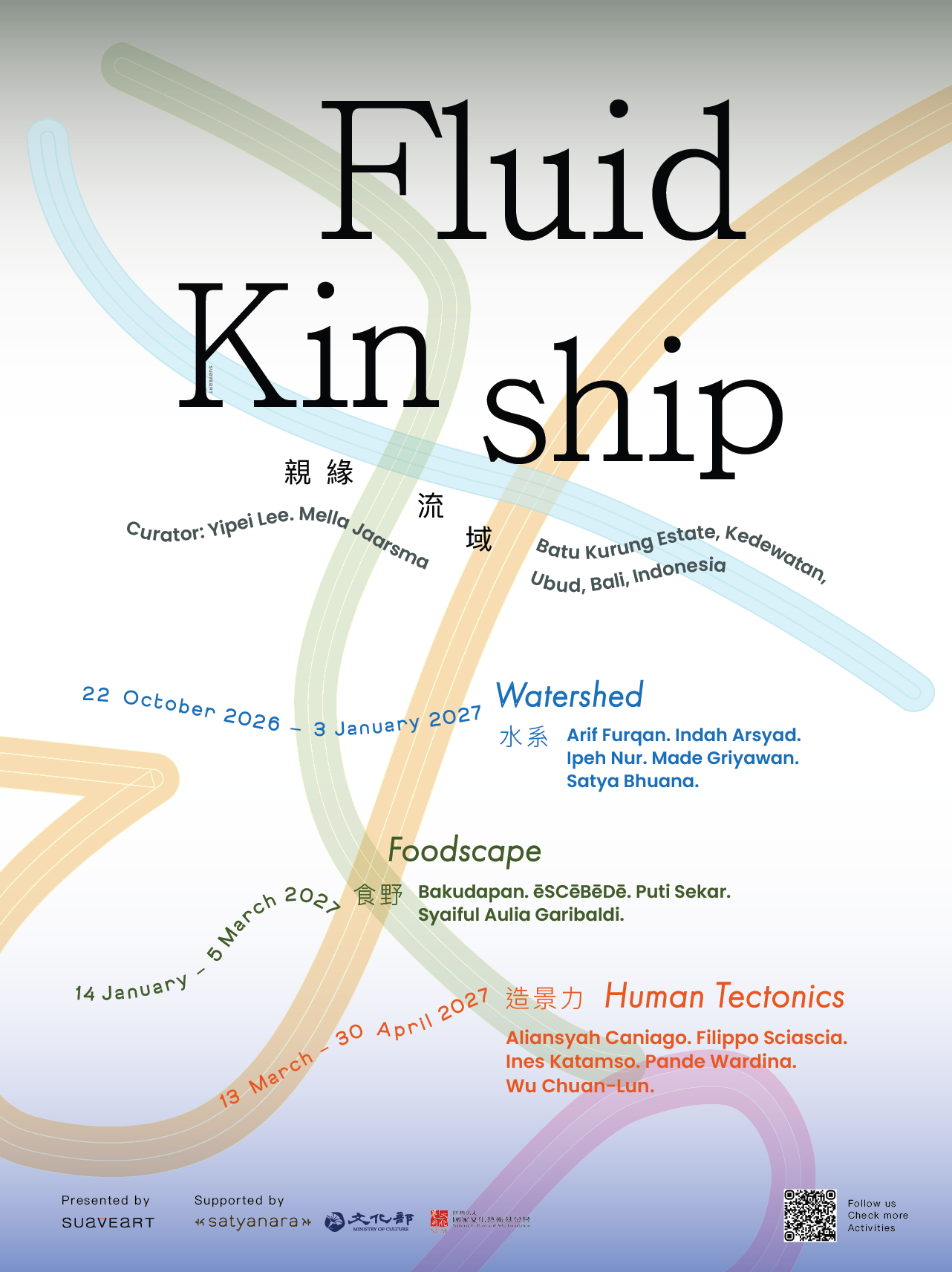
Fluid Kinship: Watershed, Foodscape, Human Tectonics
22.10.2026 | Ubud, Bali, Indonesia
Fluid Kinship: Watershed, Foodscape, Human Tectonics is a touring exhibition rooted in research developed from 2024 and documented in Edible Cities, Mobile Rivers at SUAVEART. Bringing together six researchers across regions, the project explores how water, grain, and cultural landscapes embody relationships between ecology, society, and knowledge. The Indonesian chapter focuses on Bali’s Subak, a living system of cooperative irrigation, agriculture, ritual, and ecological governance. Within Subak, water is not merely a resource but an active force connecting land, farmers, communities, and cosmology, while grain becomes a medium of social continuity and harmony. Its interconnected practices offer insights into how traditional knowledge can respond to contemporary questions of sustainability, resource sharing, and climate instability.
Our approach begins with research into watersheds, foodscapes, and human tectonics, examining how water systems, food cultures, and human-made landscapes shape ecological relationships. We combine fieldwork with local communities, dialogue with knowledge holders, and discussions with artists, creating a space where different forms of knowledge can meet. Artists are invited to bring their practices into conversation with local histories, cultural knowledge, and current environmental and climate challenges. Through exhibition, exchange, and public engagement, we transform research and cultural knowledge into artistic responses that encourage new ways of understanding ecological interdependence, resilience, and collective climate action.
Organised by SUAVEART.
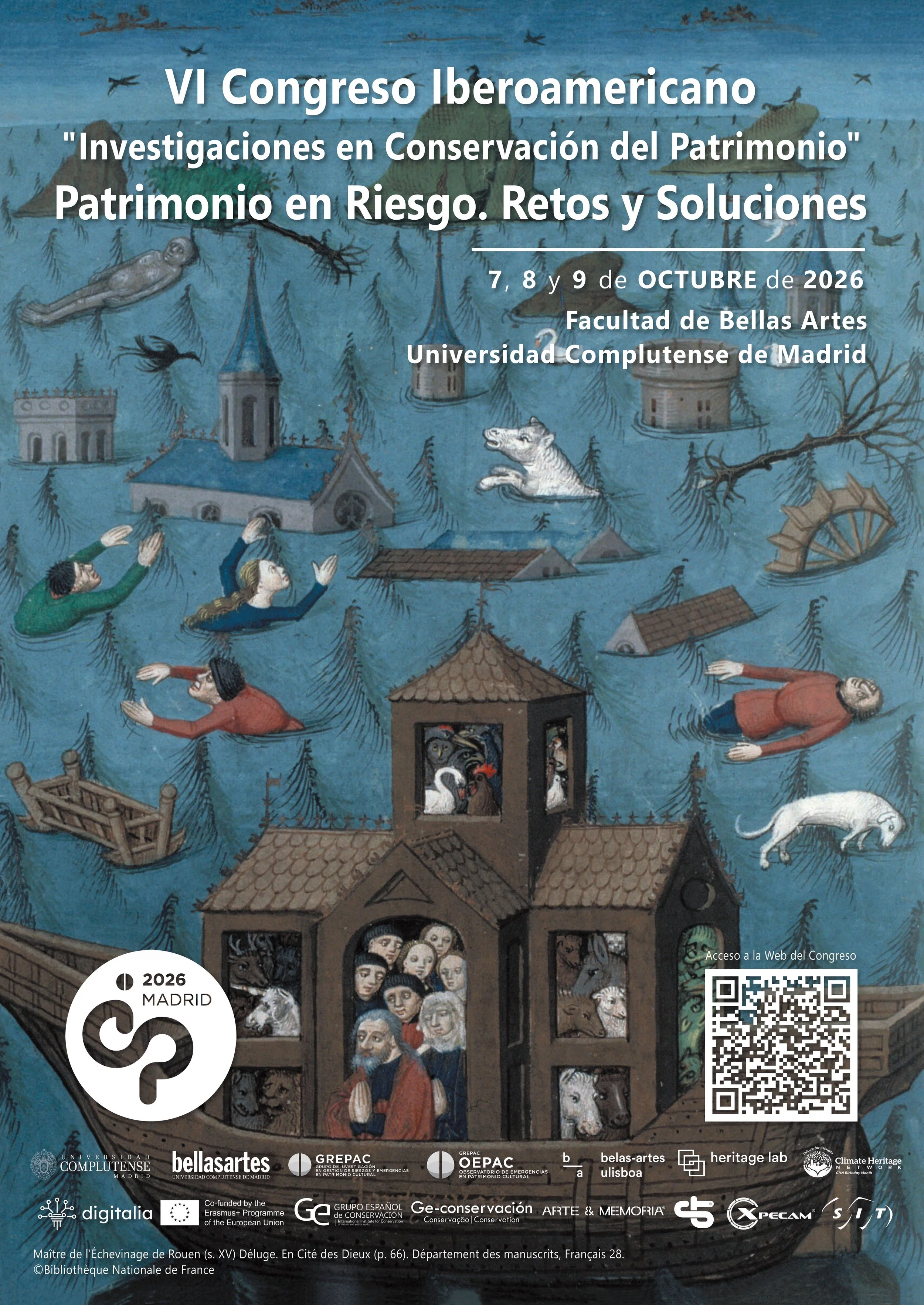
ICP 2026 - 6th Ibero-American Congress on Heritage Conservation Research. Heritage at Risk. Challenges and Solutions
07.09.2026 - 9.09.2026 | Madrid (Spain)
The 6th edition of the Ibero-American Congress on Heritage Conservation Research is the result of a collaboration between researchers from the Faculty of Fine Arts, Complutense University of Madrid and the Faculty of Fine Arts of the University of Lisbon with the Spanish Group of the International Institute for Conservation (IIC).
The event proposes an integrated approach, recognising heritage as a living and vulnerable resource, subject to natural and anthropogenic risks, but also a bearer of social and cultural resilience. The concepts of risk, vulnerability and resilience are reconsidered from multidisciplinary perspectives, incorporating ethics, sociology, anthropology, philosophy and science. The impact of climate change and natural hazards reinforces the need for mitigation and adaptation strategies, while the preservation of intangible heritage values local knowledge and the intergenerational continuity of cultural practices.
The ultimate goal of this event is to strengthen existing knowledge about ways and strategies for protecting, adapting and building resilience in heritage, ensuring its social, institutional and environmental sustainability.
Organised by GREPAC, Research Group on Emergencies and Risk Management. Complutense University of Madrid.
Step 1Creative Glass LAB
15.10.2026-18.10.2026 | Belgrade, Paracin (Serbia)
Creative Glass Lab was an interactive workshop bringing together creativity, glassmaking, and climate heritage. Participants explored glass as a material and creative medium while reflecting on the connections between cultural heritage, sustainability, and climate change. The activity encouraged hands-on learning, experimentation, and the exchange of ideas for green and sustanible transformation of handmadeglass production.
Creative Glass Lab used traditional glassmaking heritage and creative practice as tools for raising awareness about climate action and sustainable production. Through hands-on experimentation, participants explored how traditional craft can evolve through greener and more sustainable approaches, while preserving cultural knowledge and supporting innovation. The event created a space for learning, dialogue and exchange around the role of glass crafts and cultural heritage in the green transition.
Organised by Institut za kreativno preduzetnistvo i inovacije.